



Summary: The talk considers the rise of the Gothic, its settings, motifs, tropes, recurring character archetypes, themes, and philosophy. There’s a look, too, at its literary style and the seminal exponents of the genre as well as Gothic’s continuing legacy in modern day popular culture.
Year Groups: The talk is adaptable across a range of ages and year groups, including KS3, KS4 and KS5.
Main Takeaway: The core insight of the class is how the Gothic combines narrative, philosophy, style, and symbolism into a whole organic form.
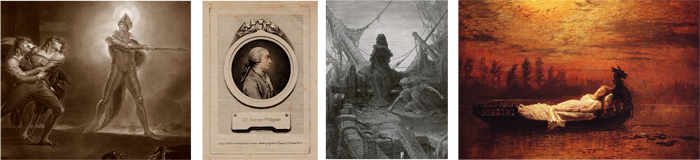
The Age of Reason in the eighteenth century gave rise to a world where science and rationality began to take the place of mythology and superstition. Yet, this same era also saw the burgeoning of the supernatural Gothic in both literature and art. ‘Why so?’ asks the talk. Was it an emotional pushback against reason, the appeal of the sublime aesthetic of ‘delightful horror’ as set out by Edmund Burke, or simply that what appears unfathomable always leaves open the possibility of the supernatural? The talk explores these questions before moving on to consider the specific story tropes and characters of the Gothic tale, including ancestral curses, the persecuted heroine, incarceration, hauntings, revenge, dark secrets, dreams, madness, abusive male power, the stylistic use of heightened prose, coded language, and symbols. Here paintings by Goya, Blake, and Doré are offered as visual illustrations of Gothic iconography and the philosophy behind ‘The Sleep of Reason’. There’s also a look at the way Gothic architectural spaces became such an integral part of the Gothic narrative.

Both classic and modern tales are discussed, including Horace Walpole’s THE CASTLE OF OTRANTO, Robert Louis Stevenson’s THE STRANGE CASE OF DR JEKYLL AND MR HYDE, Angela Carter’s THE BLOODY CHAMBER, Susan Hill’s THE WOMAN IN BLACK, Edgar Allan Poe’s THE FALL OF THE HOUSE OF USHER, Bram Stoker’s DRACULA, Charlotte Brontë’s JANE EYRE, and Charles Dickens’s A CHRISTMAS CAROL and GREAT EXPECTATIONS. Other key Gothic writers who feature in Steve’s talk include Emily Brontë, Sheridan Le Fanu, Thomas Gray, Oscar Wilde, Matthew Lewis, Mary Shelley, Daphne du Maurier, Arthur Conan Doyle, M.R. James, Ann Radcliffe, Shirley Jackson, Stephenie Meyer, Patrick Ness, and Sarah Waters.
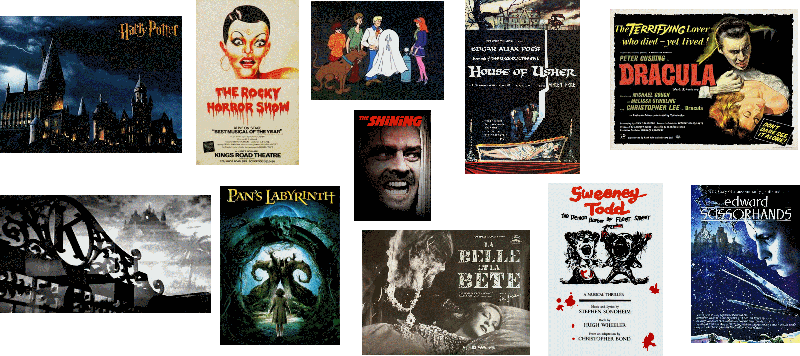
In the early twentieth century, the Gothic tradition has expanded its reach and now includes numerous subgenres across various forms and media. The talk considers the Fairy Tale Gothic (Guillermo del Toro’s movie PAN’S LABYRINTH); English Gothic (the classic horror movies of Hammer Studios); Gothic Romance (THE PHANTOM OF THE OPERA and LA BELLE ET LA BÊTE); Urban Gothic (DC Comics’ BATMAN); American Gothic (Orson Welles’s CITIZEN KANE, Stephen King’s THE SHINING); Southern Gothic (Toni Morrison’s BELOVED, Anne Rice’s INTERVIEW WITH THE VAMPIRE); Spoof Gothic (‘The New Yorker’ cartoon THE ADDAMS FAMILY and Richard O’Brien’s THE ROCKY HORROR SHOW); and the Gothic in opera and musical theatre (Béla Bartók’s opera BLUEBEARD’S CASTLE and Stephen Sondheim’s SWEENEY TODD). The presentation concludes by looking at how Gothic motifs and iconography are now embedded in popular culture, ranging from Goth fashion and lifestyle, to the design of the space vessel ‘Nostromo’ in the movie ALIEN, as well as its representation in SCOOBY-DOO cartoons, the HARRY POTTER novels and pretty much every Tim Burton movie.

Here are some of the tropes, characters, plot scenarios, settings, themes, motifs, idioms, stylistic choices and literary techniques that you might associate with or expect to find in a Gothic tale across a variety of genres, forms and media: a creepy and furtive atmosphere; curses; a family secret; occultism; locked doors; wine and beer barrels; a bedridden invalid; an enchanted mirror; startled and rearing horses; death; a mute; physical deformity; capture and escape; ancient castles; grand guignol; flimsy nightdresses; human sacrifice; ghouls (flesh-eating creatures); gargoyles; nocturnal fears; schauerromantik (often called schauerroman or schauer-romantikpart meaning ‘dark romanticism’); voyeurism; tall and threatening towers; a full moon; a woman screaming; a woman fainting; sleepwalking; dungeons, chains and torture; decay; a subterranean world; armour, helmets, shields and heraldic flags; an east European setting; entrapment, imprisonment, and incarceration; cobwebs and spiders; melancholia; candle light; masks and cloaks; devils, demons and goblins; hangings, executions, decapitations and dismemberment; whippings, lashings and bloody lacerations; morphine or opium habit; weird and wondrous dreams; madness and hysteria; a dark nobleman or Byronic figure; vengeance; suspense and foreshadowing; a forbidden woman or femme fatale; egregious sin; hierarchical class structure; hidden treasure; werewolves; attics and cellars; the uncovering of a past crime; susurrating leaves; mummification; a haunted portrait; loss of rationality and the ‘sleep of reason’; a yearning for love and a better life; a narrative framing device or story within a story (for example, the finding of an old manuscript or the recounting of a life history); libido verses repression; strange creatures or monsters; Catholic iconography; garlic hanging from beams in taverns; coachmen who won’t go further than the crossroads; word choices that emphasise guttural sounds and sibilance; psychological damage as a result of past trauma; evil murderers; graphic visceral violence; a beast half-human half-animal; masculine muscular strength; a damsel in distress or persecuted heroine; the power of the elements (fire, water, earth and air); inclement weather (storms, winds, lightning, fog, ice); use of symbolism; the burning of human flesh; isolation and seclusion; nervous innkeepers; stuffed animals with wide mouths and threatening teeth; science against the will of God; four-poster beds; recovered memories; use widow’s weeds and black lace veils; visual juxtaposition of natural beauty with human depravity; immured nuns in convents; church bells; ropes and bondage; psychological manipulation intended to make another person doubt their memory or sanity (‘gaslighting’); sable black; exotic foreignness; medieval architecture, emblems and aesthetics; gravediggers; dreams that invade reality; a purifying fire; blind obsession; poisonings; a family in decline; interweaving of desire and dread; tyranny and despotic rule; injustice; decadent nobility and the trappings of extreme wealth; seduction, lust and sexual depravity; a ruinous landscape; a young pure-of-heart hero who loses his naive innocence; warnings and interdictions; jailers; ambiguous shadows; apparitions; subjugation of the flesh;burials, hearses and funerals; the literary use of the pathetic fallacy; eyes gorged out or pressed in with thumbs; owls hooting in trees; rape and incest; the ‘unknowable truth’, the horror that comes from discovering realities the human brain is not built to understand; sensationalism; thresholds of transition (passageways, corridors, staircases, drawbridges); angry mob with pitchforks and shovels; transgression of sexuality, morality and the natural order; breakdown of boundaries and barriers (life:death, human:animal, reason:madness); a story set in the past; whores; bigotry; ‘resurrection men’ (grave and body snatchers); the narrative as allegory; good against evil; nudity; crumbling stonework and bricks; animal savagery (wild dogs, rats, snakes, bats); monks, priests and nuns; a ‘golem’, the creature of Jewish folklore made from clay; crooked trees and branches; piercing eyes; a claim the narrative is based on an authentic document; birds of the Corvidae family, especially ravens, crows and jays; Carpathian mountains; ghosts; servants unwilling to intervene in wrongdoing; ancestral wickedness and the sins of the father; labyrinths, mazes and tunnels; a sense of a prior evil in a malevolent dwelling; the supernatural; fearful nightmares; omens; sublime terror; corpses and skeletons; red wine; smug aristocrats preying upon the weak; women as property; loners, recluses, outsiders and outcasts; morbidity; the discovery and awakening of sexual desire; churches and abbeys; graveyards, crypts and tombs; liminal places (marshes, caves, moors, rivers); gaunt, bloodless faces; ‘sublime terror’, the aesthetic sense of awe and insignificance when confronting the power and vastness of nature; ‘cosmic horror’, the sense of fear of an indifferent universe ruled by uncaring ancient entities; witchcraft; a bargain with the Devil; inebriety; folklore, superstition and pagan rites; hypnotism and mesmeric power over others; buildings of angular menace; sadism, cruelty, mockery and humiliation; the uncanny, the grotesque and the fantastic; a feeling of being frozen in time; inversions, doppelgängers, duality and visual echoes; expressionistic imagery... and the list could even go on.
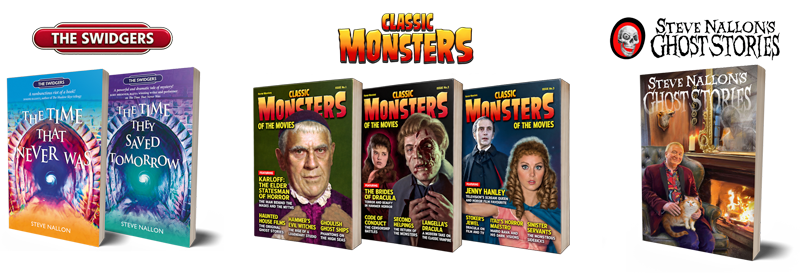

In the second half of Steve’s time adventure tale THE TIME THAT NEVER WAS, the hero, William Arthur, is taken to the oppressive Gothic world of the Old Coach Inn. And it’s here that the YA novel explores many of the classic tropes of Gothic literature, including incarceration, a cruel and malevolent despot, prophesies, hidden passageways, mockery and humiliation, and crucially a house that hides within it a dark secret – the reveal of which leads to an important psychological development in William, our hero. THE SWIDGERS -
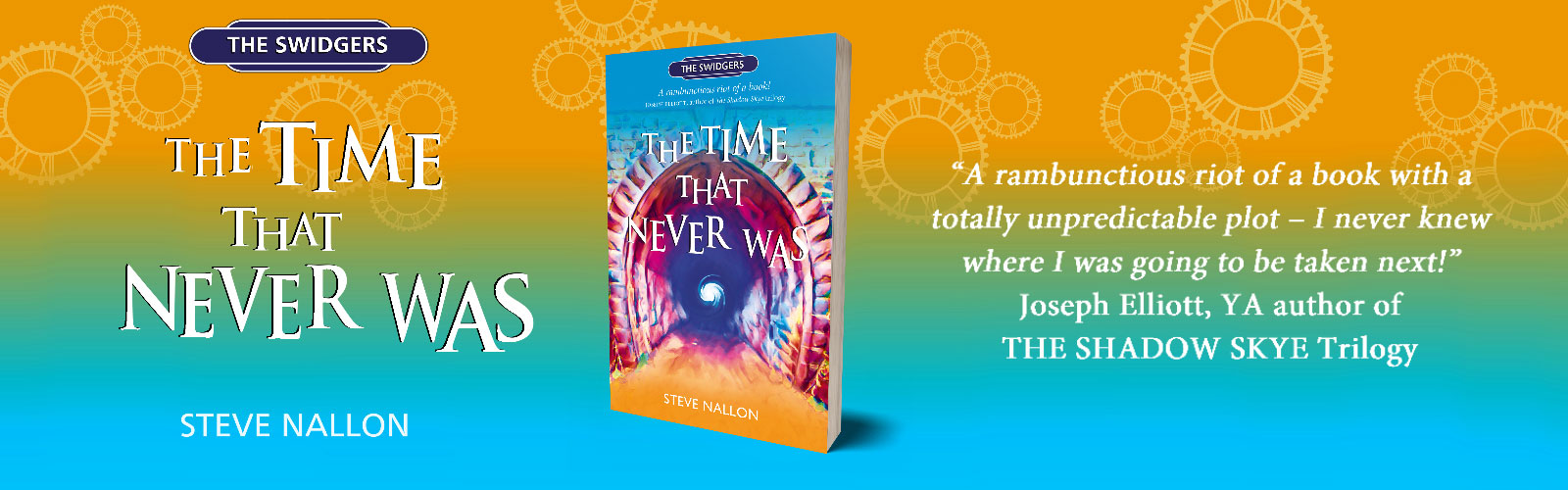
“THE TIME THAT NEVER WAS is the marvellous story of a boy growing up with a very special power. He is a Swidger and Swidgers can see into people’s timelines and perhaps alter them. But who, or what, is watching them? Exciting, often very funny and always gripping, this is a book about adventures in time – Past, Present and Future.” William Palmer, novelist and author
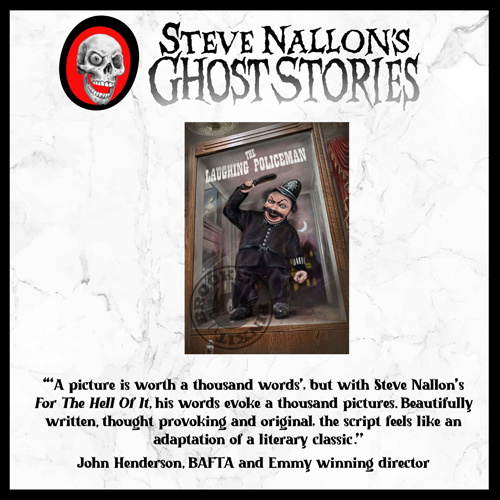
Many of the tales in STEVE NALLON’S GHOST STORIES , published in 2024, also borrow from the Gothic tradition. There are, for example, stories of haunted houses, enchanted mirrors, spooky graveyards, revengeful witches, and living shadows. The book includes as well a long essay, ‘Thoughts on the Ghost Story’, STORY CRAFT Teacher’s Handbook that is now available to read online. “Christmas angels, mysterious shadows and a theatre ghost... what’s not to love in this madcap, spooktastic collection of tales.” Sally McDonald, THE SUNDAY POST
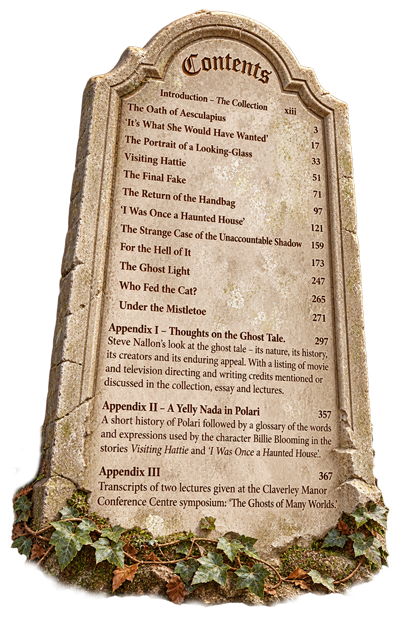
“STEVE NALLON’S GHOST STORIES is a highly enjoyable collection of tales, spanning many different approaches to the concept of the ghost story. Some are horrific, others humorous, while pathos can often be found just below the surface. Nallon is a multifaceted writer with great powers of invention and almost encyclopaedic knowledge of the history of his favourite genre. I loved reading this book. If you enjoy curling up in front of the fire in the evening with a book of ghostly tales, I’d strongly encourage you to track this collection down.” Patrick Mahon for SF-CROWSNEST, the oldest online magazine dedicated to science fiction, fantasy, horror, and futurism
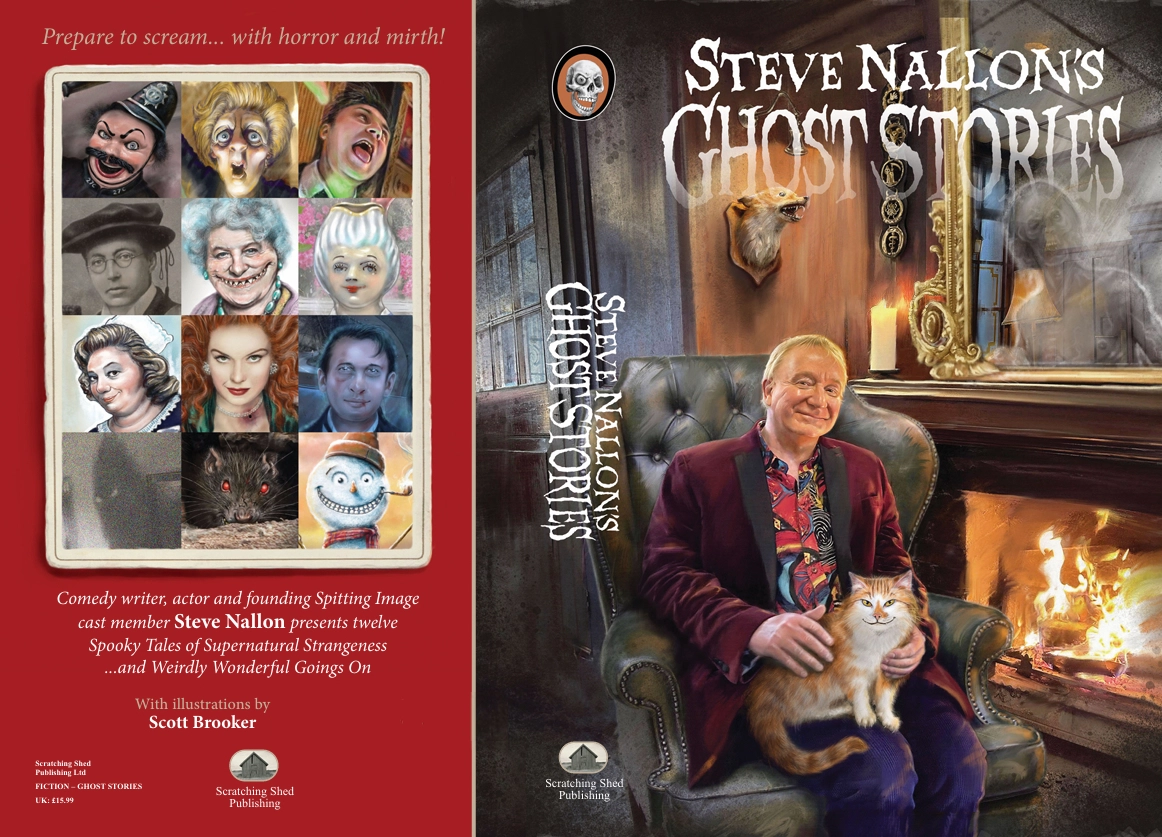
“Don’t be fooled by the cover of STEVE NALLON’S GHOST STORIES, which illustrates the actor, impressionist and now author sitting in front of a roaring fire, with a cat on his lap and a big smile on his face. Beneath that surface, as you’ll find out in this collection of tales, is a mind that inhabits the catacombs of hell.” Nigel Watson’s five star review for STARBURST magazine
Steve Nallon now writes for CLASSIC MONSTERS OF THE MOVIES magazine. His detailed articles on the haunted house movie genre cover every aspect of this horror subgenre, including its history and development, its recurring characters and themes as well as its plots, tropes, and motifs. There’s also a detailed look at the genre’s cinematic techniques, including ‘jump scares’. Steve’s articles received this praise from the magazine’s editor, Nige Burton – “As absorbing as it is authoritative... trust me, you’ve never seen this particular subgenre explored to this level.”
